

FAQs
Children's Vision
-
Contact lenses can offer several benefits over other forms of vision correction for kids. But a common question many parents have is: "When is my child old enough to wear contact lenses?"
Learn More -
According to the American Optometric Association (AOA), infants should have their first comprehensive eye exam at 6 months of age. After that, kids should have routine eye exams at age 3 and again at age 5 or 6 (just before they enter kindergarten or the first grade).
Learn More -
Myopia (nearsightedness) is a common vision problem affecting children who can see well up close, while distant objects are blurred. Nearsighted children tend to squint to see distant objects such as the board at school. They also tend to sit closer to the television to see it more clearly.
Learn More -
There's no question that good vision is important for learning. Experts say more than 80% of what your child is taught in school is presented to them visually.
Learn More -
Many children have vision problems other than simple refractive errors such as nearsightedness, farsightedness and astigmatism. These "other" vision problems include amblyopia ("lazy eye"), eye alignment or eye teaming problems, focusing problems, and visual perceptual disorders. Left untreated, these non-refractive vision problems can cause eyestrain, fatigue, headaches, and learning problems.
Learn More -
One of the greatest moments after the birth of your baby is the first time your newborn daughter or son opens their eyes and makes eye contact with you. But don't be concerned if that doesn't happen right away.
Learn More
Computer Vision Syndrome
-
Computer use has become a routine part of kids' lives. About 90% of school-aged children in the U.S. have access to a computer. And kids are starting to use computers at a younger age. Among college students who were interviewed, 20% said they began using a computer before they were 9 years old.
Learn More -
With so many people using computers at work, eyestrain has become one of the leading office-related health complaints.
Learn More -
When you work at a computer for any length of time, it's common to experience eyestrain, blurred vision and other symptoms of computer vision syndrome (CVS). Viewing computer-generated print and images on a screen or monitor for prolonged periods is harder on the eyes than viewing a similar amount of material on the printed pages of a book or magazine.
Learn More -
This is a common problem. See your eye doctor about computer eyeglasses that will help you focus more accurately and with less effort. When prescribed properly, these glasses can also help you read printed material. Lenses also can have tints and coatings to make your eyes feel a lot better.
Learn More -
Computer eyestrain affects more than 70% of the approximately 143 million Americans who work on a computer on a daily basis, according to the American Optometric Association (AOA). In fact, more than 90% of adults report using digital devices more than two hours a day.
Learn More -
If you use a computer at work, you probably already know that a long day of staring at your screen can lead to eyestrain, tired eyes, headache, muscle aches and other symptoms of computer vision syndrome (CVS).
Learn More
Contact Lenses
-
Bifocal and multifocal contact lenses are designed to give you good vision when you reach your 40s. Beginning at this age, you may need to hold reading material - like a menu or newspaper - farther from your eyes to see it clearly. This condition is called "presbyopia."
Learn More -
Not everyone is well suited to the most common types of contact lenses. If you have one or more of the following conditions, contact lens wear may be more challenging:
- astigmatism
- dry eyes
- presbyopia
- giant papillary conjunctivitis (GPC)
- keratoconus
- post-refractive surgery (such as LASIK)
Learn More -
For many people, contact lenses provide greater convenience and more satisfying vision correction than eyeglasses. Here is what's involved in a typical contact lens exam and fitting:
Learn More -
Gas permeable (GP) contact lenses, also known as rigid gas permeable (RGP) lenses, are rigid contacts made of silicone-containing compounds that allow oxygen to pass through the lens material to the eye. Though not as popular as soft contact lenses, GP lenses offer a number of advantages.
Learn More -
Orthokeratology, or "ortho-k," is the process of reshaping the eye with specially designed rigid gas permeable (GP) contact lenses. The goal of ortho-k is to flatten the front surface of the eye and thereby correct mild to moderate amounts of nearsightedness and astigmatism. This process is also known as corneal reshaping, and by brand names such as CRT (Corneal Refractive Therapy) and Bausch & Lomb's Vision Shaping Treatment (VST).own as rigid gas permeable (RGP) lenses, are rigid contacts made of silicone-containing compounds that allow oxygen to pass through the lens material to the eye. Though not as popular as soft contact lenses, GP lenses offer a number of advantages.
Learn More -
If you have astigmatism - a common condition where the eye isn't perfectly round, but more football- or egg-shaped - then you'll need specially designed contact lenses to achieve clear vision.
Learn More
Eye Exams
-
As a parent, you may wonder whether your pre-schooler has a vision problem or when a first eye exam should be scheduled.
Learn More -
Eyecare experts recommend you have a complete eye exam every one to three years, depending on your age, risk factors, and physical condition.
Learn More -
During a complete eye exam, your eye doctor will not only determine your prescription for eyeglasses or contact lenses, but also check your eyes for common eye diseases, assess how your eyes work together as a team and evaluate your eyes as an indicator of your overall health.
Learn More -
A comprehensive eye exam includes a number of tests and procedures to examine and evaluate the health of your eyes and the quality of your vision. These tests range from simple ones, like having you read an eye chart, to complex tests, such as using a high-powered lens to examine the health of the tissues inside of your eyes.
Learn More
Eyeglasses
-
Finding eyeglasses with the qualities that are most important to you could be as simple as choosing a frame material, each distinguished by its own strengths.
Learn More -
When it comes to choosing eyeglass lenses, it's no longer a simple choice of "glass or plastic?" Let's look at your many options in eyeglass lenses in detail:
Learn More -
When it comes to eyeglasses, most men may want style, but are most interested in comfort, fit and durability. In fact, very few men will forsake comfort and fit just to look good.
Learn More -
When it comes to eyewear, "one--all" doesn't always apply. In fact, it's rare that one pair of eyeglasses is suitable for all situations.
Learn More -
Eyeglasses are more popular today than ever, despite the availability of contact lenses and vision correction surgery. Frame styles branded with high profile designer names are always in demand. And eyeglass frame materials have evolved with the advent of new plastics and various types of metals.
Learn More -
Need new eyeglasses? The choices in women's frames are nearly unlimited. But that's sometimes the problem: How do you find the frame styles that look best on you?
Learn More
Low Vision
-
Low vision is the term used to describe reduced eyesight - either blurred vision (usually 20/70 or worse) or an incomplete field of view - that cannot be fully corrected with eyeglasses, contact lenses or eye surgery. The primary causes of low vision are eye diseases, such as macular degeneration, glaucoma and diabetic retinopathy. But low vision also can be inherited or caused by an eye or brain injury.
Learn More -
In general, visually impaired people can use the same low vision aids for viewing a computer screen and reading e-mail as they do for other reading activities. In addition, special software has been developed to increase the size of print and images on computer screens and convert printed information into audible messages that are "read" by a synthetic voice.
Learn More
LASIK and Vision Surgery
-
Corneal inlays and onlays are small lenses or optical devices that can be inserted into the cornea to alter its shape and correct vision problems.
Learn More -
A corneal transplant - also called keratoplasty (KP), penetrating keratoplasty (PKP), or corneal graft - is the surgical removal of the central portion of the cornea (the normally clear front surface of the eye) followed by replacement with a donor "button" of clear corneal tissue from an eye bank.
Learn More -
Tired of wearing glasses or contact lenses? Today, several surgical methods can correct your eyesight and give you the freedom of seeing well without corrective lenses.
Learn More -
LASIK, short for laser-assisted in situ keratomileusis, is the most popular refractive surgery available today. Each year, more than one million LASIK procedures are performed in the United States.
Learn More -
Laser eye surgery isn't for everyone. Here are six guidelines to help you decide if LASIK is right for you.
Learn More -
If you are considering LASIK and worry that something could go wrong, you might take comfort in knowing that it's very rare for complications from this procedure to cause permanent, significant vision loss. Also, many complications can be resolved through laser re-treatment.
Learn More -
Presbyopia is the normal age-related loss of near focusing ability. If you're over 40 and have to move the newspaper farther away to read it, you are beginning to experience presbyopia.
Learn More
Sports Vision
-
Good vision is critical for nearly every sport. To determine the effect of visual acuity on sports performance, British optometrist Geraint Griffiths and others tested the performance of Wimbledon tennis players and UK national clay pigeon shooting champions when their vision was blurred with special goggles. Overall, the tennis players and marksmen showed a 25% worsening of performance when their visual acuity was only slightly blurred by the goggles.
Learn More -
Today, sports eyewear can be spotted on almost anyone who picks up a ball, bat, racquet or stick — whether they play in the major leagues or the Little League. Fortunately, coaches, parents and players now realize that wearing protective eyewear for sports pays off in several ways. The risk of eye damage is reduced or eliminated, and the player's performance is enhanced by the fact that they see well. In fact, many clubs today do not permit their members to participate without wearing proper eye gear.
Learn More -
When they're in the water, swimmers, snorkelers and scuba divers who wear eyeglasses or contact lenses could benefit from prescription swim goggles or masks.
Learn More -
Hunters and gun enthusiasts require eye protection, whether at a shooting range or in the woods. All firearms have a certain amount of recoil, and many shooting activities take place outdoors, where wind, sun, dust, tree branches and brush all can cause eye injuries.
Learn More -
Seeing "20/20" isn't the only measure of good vision. Visual acuity (20/20, etc.) is certainly important. But good vision involves a set of several skills, including depth perception, peripheral visual field awareness, eye-hand coordination and more.
Learn More
Sunglasses
-
Fashion sunglasses with nonprescription lenses are called "plano" sunglasses in the eyewear industry. This category of sunglasses is huge and offers many choices in styling, designer names and frame materials.
Learn More -
The boom in outdoor sports activities like mountain biking, snowboarding, rock climbing, kayaking, skiing, golfing and in-line skating has also created a demand for sports- and performance-oriented sunglasses.
Learn More -
If you currently wear eyeglasses for nearsightedness, farsightedness or astigmatism, you should strongly consider purchasing a second pair of glasses: prescription sunglasses.
Learn More -
Children may not be as interested as adults are in wearing sunglasses as a fashion accessory, but because kids spend so much time outdoors in direct sunlight, they need sun protection even more than adults do.
Learn More
Problems and Diseases
-
Amblyopia, also known as "lazy eye," is a visual development disorder that cannot be corrected with eyeglasses or contact lenses. If left untreated, it can cause legal blindness in the affected eye. About 2% to 3% of the population is amblyopic.
Learn More -
Astigmatism is one of the most common vision problems, but most people don't know what it is. Many people are relieved to learn that astigmatism is not an eye disease. Like nearsightedness and farsightedness, astigmatism is a type of refractive error - a condition related to the shape and size of the eye that causes blurred vision.
Learn More -
Blepharitis is inflammation of the eyelids. It's a common disorder and may be associated with a low-grade bacterial infection or a generalized skin condition.
Learn More -
Cytomegalovirus (CMV) retinitis is a sight-threatening disease associated with late-stage AIDS (Acquired Immunodeficiency Syndrome). In the past, about 25% of active AIDS patients developed CMV retinitis. However, this figure appears to be dropping thanks to a potent combination of drugs that help restore the function of the immune system.
Learn More -
A cataract is a clouding of the eye's natural lens, which lies behind the iris and the pupil. The lens works much like a camera lens, focusing light onto the retina at the back of the eye. The lens also adjusts the eye's focus, letting us see things clearly both up close and far away.
Learn More -
A cornea transplant replaces damaged tissue on the eye's clear surface. Corneal transplants are often referred to as a keratoplasty, penetrating keratoplasty (PK) or corneal graft.
Learn More -
A cornea transplant replaces central corneal tissue, damaged due to disease or injury, with healthy corneal tissue donated from an eye bank. An unhealthy cornea affects your vision by scattering light and causing blurred or distorted vision. In some cases, a cornea can be so damaged or scarred that a transplant is necessary to restore your functional vision.
Learn More -
If you have diabetes, you probably know that your body can't use or store sugar properly. When your blood sugar gets too high, it can damage the blood vessels in your eyes. This damage may lead to diabetic retinopathy. In fact, the longer someone has diabetes, the more likely they are to have retinopathy (damage to the retina) from the disease.
Learn More -
Dry eye syndrome (DES or dry eye) is a chronic lack of sufficient lubrication and moisture on the surface of the eye. Its consequences range from minor irritation to the inability to wear contact lenses and an increased risk of corneal inflammation and eye infections.
Learn More -
Similar to processes that occur with other types of allergic responses, the eye may overreact to a substance perceived as harmful even though it may not be. For example, dust that is harmless to most people can cause excessive tear production and mucus in eyes of overly sensitive, allergic individuals. Also, eye allergies are often hereditary.
Learn More -
Have you ever seen small specks or debris that look like pieces of lint floating in your field of view? These are called "floaters," and they are usually normal and harmless. They usually can be seen most easily when you look at a plain background, like a blank wall or blue sky.
Learn More -
Glaucoma refers to a category of eye disorders often associated with a dangerous buildup of internal eye pressure (intraocular pressure or IOP), which can damage the eye's optic nerve - the structure that transmits visual information from the eye to the brain.
Learn More -
Hyperopia, or farsightedness, is a common vision problem affecting about 25% of the U.S. population. People with hyperopia can usually see distant objects well, but have difficulty seeing objects that are up close.
Learn More -
Keratoconus is a progressive eye disease in which the normally round cornea thins and begins to bulge into a cone-like shape. This cone shape deflects light as it enters the eye on its way to the light-sensitive retina, causing distorted vision. Keratoconus can occur in one or both eyes.
Learn More -
Macular degeneration (also called AMD, ARMD, or age-related macular degeneration) is an age-related condition in which the most sensitive part of the retina, called the macula, starts to break down and lose its ability to create clear visual images. The macula is responsible for central vision - the part of our sight we use to read, drive and recognize faces. So although a person's peripheral vision is unaffected by AMD, the most important aspect of vision is lost.
Learn More -
Myopia, or nearsightedness, is a very common vision problem. It's estimated that up to one-third of Americans are nearsighted. Nearsighted people have difficulty reading road signs and seeing distant objects clearly, but can see well for up-close tasks such as reading or sewing.
Learn More -
Ocular hypertension means the pressure in your eye, or your intraocular pressure (IOP), is higher than normal. Elevated IOP is also associated with glaucoma, which is a more serious condition that causes vision loss and optic nerve damage. By itself, however, ocular hypertension doesn't damage your vision or eyes.
Learn More -
Pingueculae (singular form = pinguecula) are yellowish, slightly raised lesions that form on the surface tissue of the white part of your eye (sclera), close to the edge of the cornea. They are typically found in the open space between your eyelids, which also happens to be the area exposed to the sun.
Learn More -
Technically, pink eye is the acute, contagious form of conjunctivitis - inflammation of the clear mucous membrane that lines the inner surface of the eyelids and overlies the white front surface of the eye, or sclera.
Learn More -
Sometime after age 40, people begin to experience blurred near vision when performing tasks such as reading, sewing or working at a computer. This change is called presbyopia.
Learn More -
Ptosis (pronounced "toe-sis") refers to the drooping of an eyelid. It affects only the upper eyelid of one or both eyes. The droop may be barely noticeable, or the lid can descend over the entire pupil. Ptosis can occur in both children and adults, but happens most often due to aging.
Learn More -
A retinal detachment is a serious and sight-threatening event, occurring when the retina - the light-sensitive inner lining of the back of the eye - becomes separated from its underlying supportive tissue. The retina cannot function when it detaches, and unless it is reattached soon, permanent vision loss may result.
Learn More -
Retinitis pigmentosa (RP) is a rare, inherited eye disease in which the light-sensitive retina slowly and progressively degenerates. This causes progressive peripheral vision loss, night blindness, central vision loss and, in some cases, blindness.
Learn More -
A stye (or hordeolum) develops when an eyelid gland at the base of an eyelash becomes infected. Resembling a pimple on the eyelid, a stye can grow on the inside or outside of the lid. Styes are not harmful to vision, and they can occur at any age.
Learn More -
Uveitis is inflammation of the eye's uvea, an area that consists of the iris, the ciliary body and the choroid. The iris is the colored part of the eye that surrounds the pupil. The ciliary body is located behind the iris and produces the fluid that fills the anterior part of the eye. The choroid is the layer of tiny blood vessels in the back of the eye that nourishes the light-sensitive retina.
Learn More
Vision Over 40
-
Studies show that more than 14% of older Americans have dry eye syndrome, or "dry eye." If you are 50 or older and female, your chance of developing dry eye is even greater. In fact, the American Academy of Ophthalmology says hormonal changes make older women twice as likely as older men to develop dry eye and accompanying symptoms such as eye irritation and blurred vision.
Learn More -
Just as eyeglass frames have continually changed to reflect the latest fashions, eyeglass lenses also have evolved. This is particularly true for multifocal lenses - eyeglass lenses with more than one power to help those of us over age 40 deal with the normal, age-related loss of near vision called presbyopia.
Learn More -
Once we reach our mid-40s, presbyopia - the normal, age-related loss of flexibility of the lens inside our eye - makes it difficult for us to focus on near objects.
Learn More -
Progressive addition lenses (also called progressives or PALs) are the most popular multifocal lenses sold in the United States. Sometimes called "no-line bifocals," these line-free multifocals provide a more complete vision solution than bifocals. Instead of having just two lens powers like a bifocal - one for distance vision and one for up close - progressives have a gradual change in power from the top to the bottom of the lens, providing a range of powers for clear vision far away, up close and everywhere in between.
Learn More -
An occupational lens is a type of multifocal that is specifically suited for performing a particular job or hobby. Glasses with these lenses are special-purpose eyewear and are not designed for everyday wear. By strategically placing the near, intermediate and far vision zones on certain areas of the lens, specific visual tasks are made easier.
Learn More
Vision Over 60
-
Sight-threatening eye problems affect one in six adults aged 45 and older. And the risk for vision loss increases with age. In fact, a recent American Academy of Ophthalmology (AAO) report estimates that more than 43 million Americans will develop age-related eye diseases by 2020.
Learn More -
Just as our physical strength decreases with age, our eyes also exhibit an age-related decline in performance - particularly as we reach our 60s and beyond.
Learn More -
Many normal, age-related problems affecting vision can be addressed with practical solutions, such as extra lighting for reading recipes or tinkering with garage projects.
Learn More
Vision Insurance
-
The cost of routine eye exams and prescription eyewear can be of real concern, especially for large families. In many cases, vision insurance can lower these annual expenses.
Learn More
Quick Links
Helpful Articles
article_category: cosmetic
article_category: eye surgery co-management
article_category: products
article_category: vision therapy
article_category: dogs
article_category: technology
article_category: general
article_category: eye health
article_category: aesthetics
article_category: services
article_category: faqs
article_category: exotic
article_category: large animal
article_category: contact lenses
article_category: surgical procedures
article_category: health
article_category: psychiatry
article_category: conditions
article_category: restorative
article_category: preventative
article_category: cats
article_category: eyeglasses
article_category: ocular disease management
[]
article_category: eye surgery co-management
article_category: products
article_category: vision therapy
article_category: dogs
article_category: technology
article_category: general
article_category: eye health
article_category: aesthetics
article_category: services
article_category: faqs
article_category: exotic
article_category: large animal
article_category: contact lenses
article_category: surgical procedures
article_category: health
article_category: psychiatry
article_category: conditions
article_category: restorative
article_category: preventative
article_category: cats
article_category: eyeglasses
article_category: ocular disease management
[]
Flowbite is an open-source library of interactive components built on top of Tailwind CSS including buttons, dropdowns, modals, navbars, and more.
Check out this guide to learn how to get started and start developing websites even faster with components on top of Tailwind CSS.

All Eye Care Services
Find personalized eye care excellence with our comprehensive services. From eye exams to advanced diagnostics, trust us for all your vision needs.
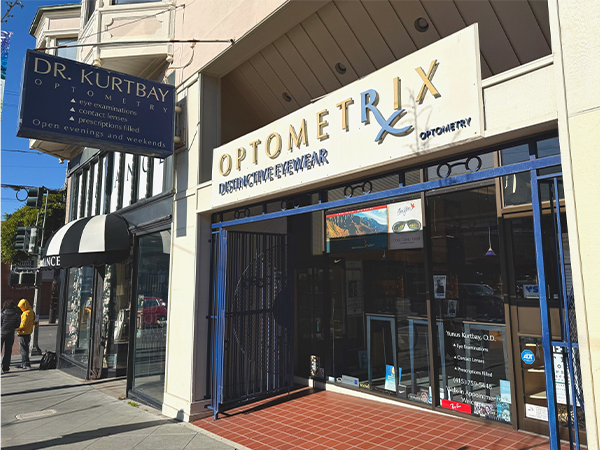
Keep In Touch
For non-urgent questions or to learn more about our services, contact us today!
Quick Links
Contact Info
Hours of Operation
- Monday Closed
- Tuesday 9:00am - 6:00pm
- Wednesday 9:00am - 6:00pm
- Thursday 9:00am - 6:00pm
- Friday 9:00am - 6:00pm
- Saturday 9:00am - 5:00pm
- Sunday Closed
- Monday
- Tuesday
- Wednesday
- Thursday
- Friday
- Saturday
- Sunday
- Monday
- Tuesday
- Wednesday
- Thursday
- Friday
- Saturday
- Sunday
© 2026 Dr. Kurtbay Optometry. All rights Reserved - Accessibility Statement - Privacy Policy - Sitemap
Managed and Designed by 